
Commercial awning comparison

Metal vs. Fabric Awnings for Commercial Buildings

Metal and fabric awnings can cover the same types of entrances, windows and storefronts, but they do different jobs on the facade. The right choice depends on the building, the desired appearance and how the awning will be maintained.

Universal Awning & CanopyAugust 11, 2026Southern California
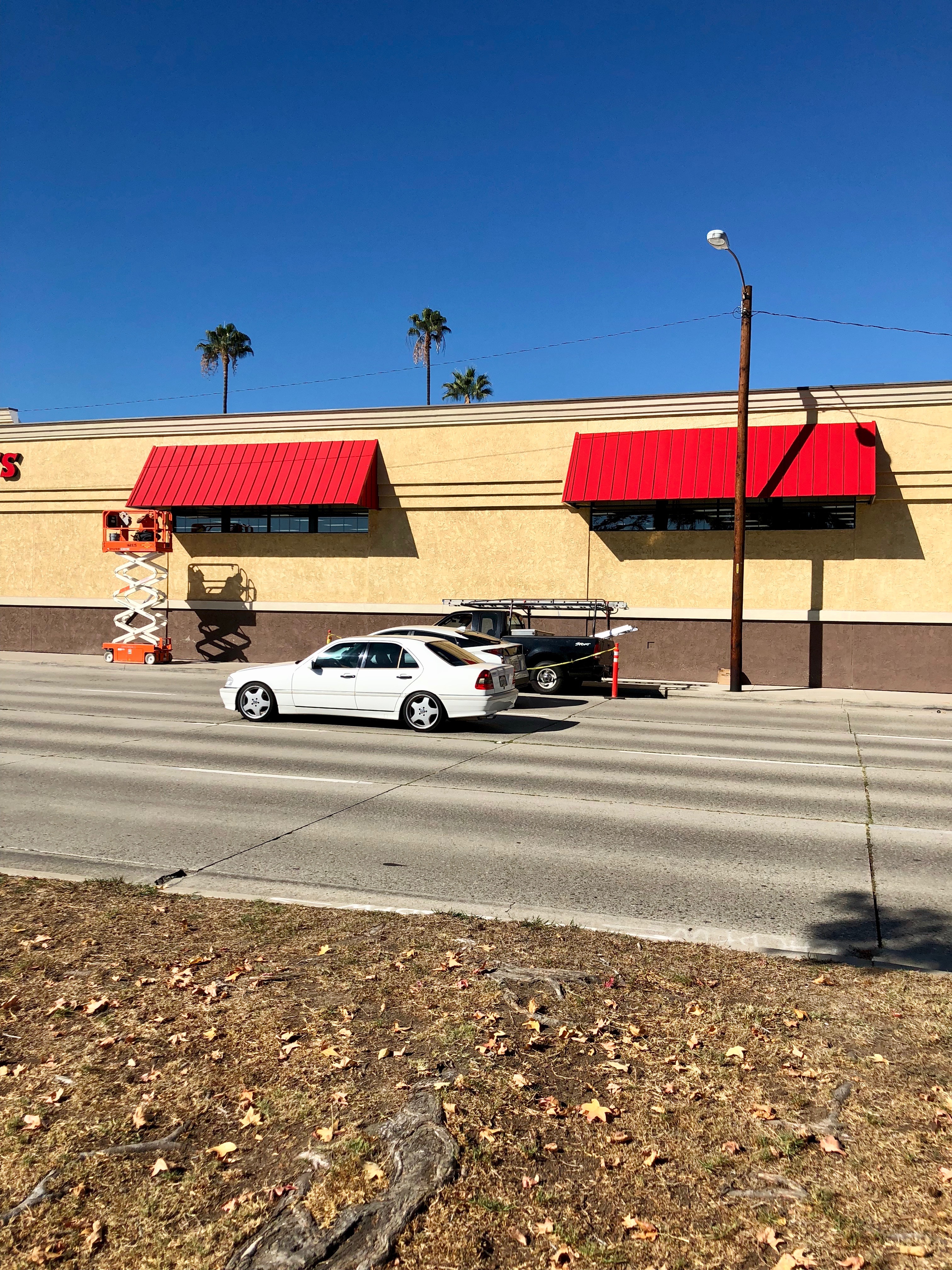
Red metal awnings installed above the service bays of a CVS commercial building
Metal awnings used as repeated architectural elements across a commercial facade

A commercial awning needs to fit the building before it does anything else. Dimensions, attachment points, doors, windows, signs and drainage all affect the final design. Material comes next.

Metal awnings create a more permanent architectural feature. Fixed fabric awnings offer more flexibility in shape, color and graphics. Both can work over storefronts, windows, entrances and defined outdoor areas.

The main difference

A metal awning uses metal panels, slats or other rigid infill over a supporting frame. A fixed fabric awning stretches fabric over a frame built to the selected profile. That material difference changes the appearance, detailing and future service of the awning.

The decision should be based on the facade and the job the awning needs to perform. A row of metal awnings may become part of the architecture. A fabric awning may be the better choice when color, graphics or a distinctive profile matters.

Choose the material after reviewing the facade, coverage area, branding needs and maintenance plan.

When a metal awning makes sense

Metal awnings work well when the property wants a clean, rigid form that relates to the building. Standing-seam, flat-panel and open-slat profiles can be developed around storefront bays, windows and entrances.

Because the material is rigid, the panel layout, seams, edge details and drainage need to be resolved with the frame and facade. Repeated awnings should align with the building rather than appear as separate pieces added afterward.

When a fixed fabric awning makes sense

Fixed fabric awnings can be made in traditional sloped, box, shed, rounded and custom profiles. Fabric also gives a business more options for color, trim and applied graphics.

Fabric is often useful when the awning needs to support the storefront identity or when a softer shape fits the architecture. The frame still needs to be coordinated with the wall, clearances and coverage area before the fabric pattern is developed.

Metal and fabric awnings compared

Project factorMetal awningFixed fabric awning
AppearanceRigid, architectural profilesSofter profiles with more shape and color options
BrandingUsually handled through color, form and nearby signageCan incorporate approved colors and graphics on the fabric
Common useCommercial entrances, windows, storefront bays and service areasStorefronts, restaurants, windows, entrances and defined patios
Future serviceFinish, panels, fasteners and connections should remain accessibleFabric condition and frame connections should remain accessible

Neither material is the default choice for every commercial property. The better option is the one that fits the building and can be detailed correctly for the site.
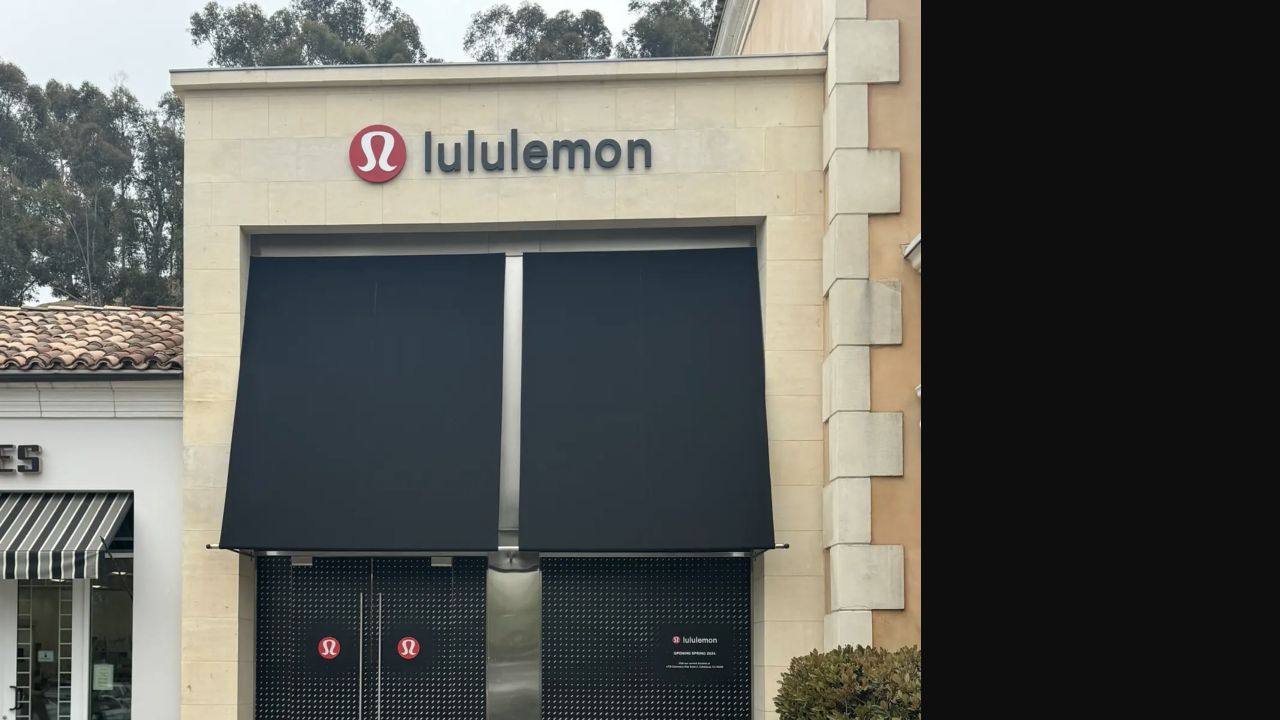
Black fixed fabric awnings installed across a lululemon storefront
Fixed fabric awnings can coordinate storefront coverage with the business identity.

Coordinate the awning with the facade

The awning should line up with the building's openings and other exterior elements. Signs, lights, cameras, downspouts, doors and windows can all affect its size and position. A repeated row also needs consistent heights, projections and spacing.

For branded fabric, artwork should be reviewed at the actual awning scale before production. For metal, panel width, seam locations, edge conditions and finish samples should be coordinated before fabrication.

Think about service before choosing the material

Any exterior awning needs periodic inspection and cleaning. Fabric may eventually need to be recovered while the existing frame remains in place. Metal systems need access to panels, finishes, fasteners and connections. Exposure and site conditions affect the service schedule for either option.

Universal Awning reviews custom commercial awning projects from the facade through fabrication and installation. The project process explains what happens after the initial site information is received.

What to send for an initial comparison

  • The property address and clear photos of the full facade
  • The windows, entrances or storefront bays that need coverage
  • Approximate width, projection and clearance requirements
  • Existing signs, lights, doors and drainage near the awning
  • Preferred colors, profiles or brand requirements
  • Any available plans or exterior elevations

That information is enough to begin comparing the two materials. Final dimensions, attachment conditions and project requirements still need to be confirmed before fabrication.

Common questions

Are metal awnings better than fabric awnings for commercial buildings?

Not in every case. Metal creates a rigid architectural feature, while fabric offers more flexibility in shape, color and graphics. The building and intended use should guide the choice.

Can a fabric awning include a business logo?

Approved graphics can often be applied to awning fabric. The artwork, placement, fabric and printing method should be reviewed before production.

Can an existing fabric awning frame be recovered?

Sometimes. The frame and its connections need to be inspected before new fabric is made so the team can confirm that the existing structure is suitable for reuse.

Discuss your property

Comparing metal and fabric awnings for a commercial building?

Send the property address, facade photos and approximate coverage area. Universal Awning can review the conditions and discuss which material fits the project.