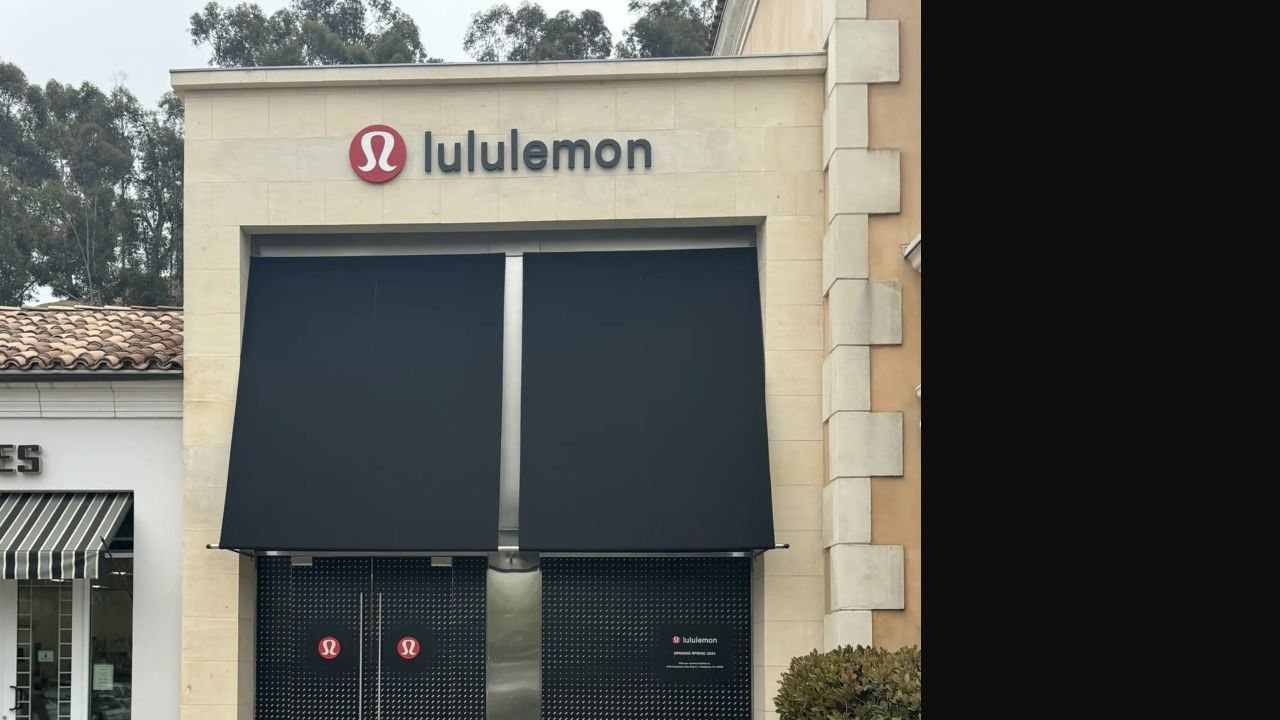
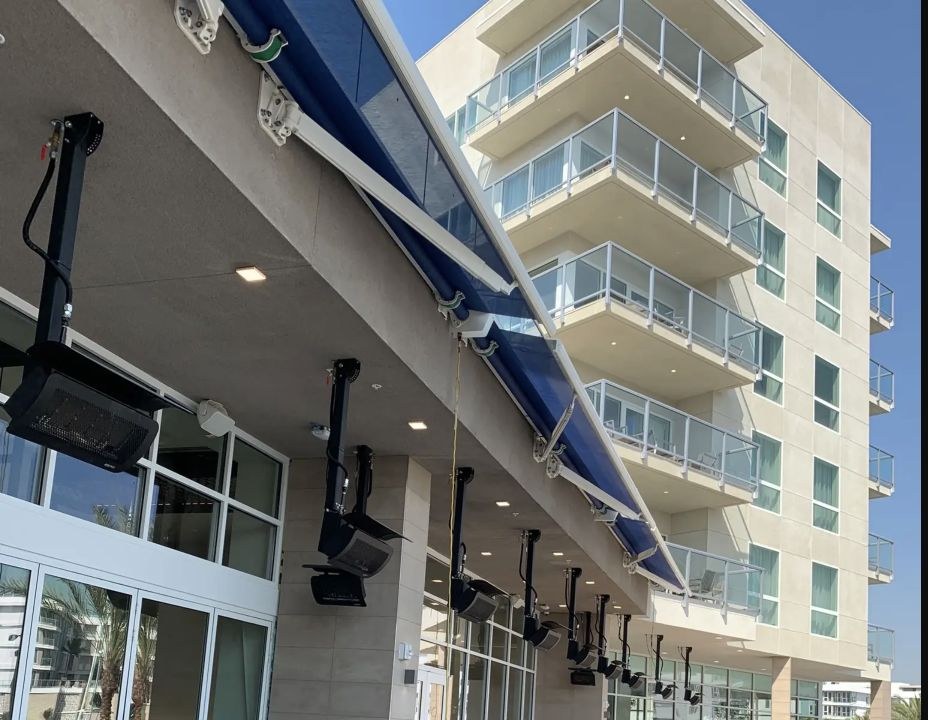
A fixed awning remains in place. A retractable awning can be extended for shade and closed when the area should remain open. That difference affects coverage, appearance, operation and maintenance.
Restaurants, hotels and other commercial properties may use either system over patios, terraces, windows or guest areas. The choice should come from the property conditions and daily routine, not from appearance alone.
Start with how the area is used
Before comparing products, define when the area needs coverage. A restaurant patio may need reliable shade during every lunch service. A hotel terrace may benefit from coverage that can be adjusted as conditions change. A storefront window may need a permanent awning that also supports the building's identity.
- Hours when shade is most important
- People responsible for operating the awning
- Doors, windows and walkways below the system
- Furniture, heaters and lighting in the area
- Desired visibility from the street
- Access needed for cleaning and service
These details narrow the choice quickly. If coverage must remain consistent with no staff involvement, a fixed system may be more practical. If the property wants control over when the area is covered, a retractable system may be worth considering.
When a fixed awning makes sense
Fixed fabric awnings are commonly used over storefronts, windows, entrances and defined patio areas. They remain part of the exterior throughout the day and can be designed around the building's dimensions, colors and signage.
A fixed awning is often a practical choice when the area needs regular coverage and the property does not need to open or close the system. Because it stays in place, the frame, pitch, projection and attachment points all need to be coordinated carefully with the facade.
When a retractable awning makes sense
Retractable awnings allow a patio or terrace to switch between shade and an open sky. They can work well for hospitality areas where conditions and guest preferences change during the day.
The operating method, controls and maintenance access should be decided before fabrication. Staff also need a clear routine for using the awning within the manufacturer's operating guidance. A retractable awning should not be treated as a permanent enclosure.
Fixed and retractable awnings compared
| Question | Fixed awning | Retractable awning |
|---|---|---|
| Coverage | Remains in place throughout the day | Can be extended or closed as needed |
| Common use | Storefronts, windows, entrances and defined patios | Terraces, hospitality patios and flexible outdoor areas |
| Operation | No daily opening or closing | Requires manual or motorized operation |
| Design focus | Frame, pitch, branding and permanent exterior appearance | Controls, projection, clearances and access to the mechanism |
Universal Awning works with both systems. The goal is to match the awning to the building and the way the space operates rather than forcing one product into every condition.